Summary:-
Property Tax in the UAE is unique because there is no annual tax on property ownership, making it highly attractive for investors. Buyers mainly pay one-time fees like transfer and registration charges, along with ongoing service and municipality costs. This low-tax structure, combined with strong rental yields and no capital gains tax, makes UAE real estate a profitable investment choice.
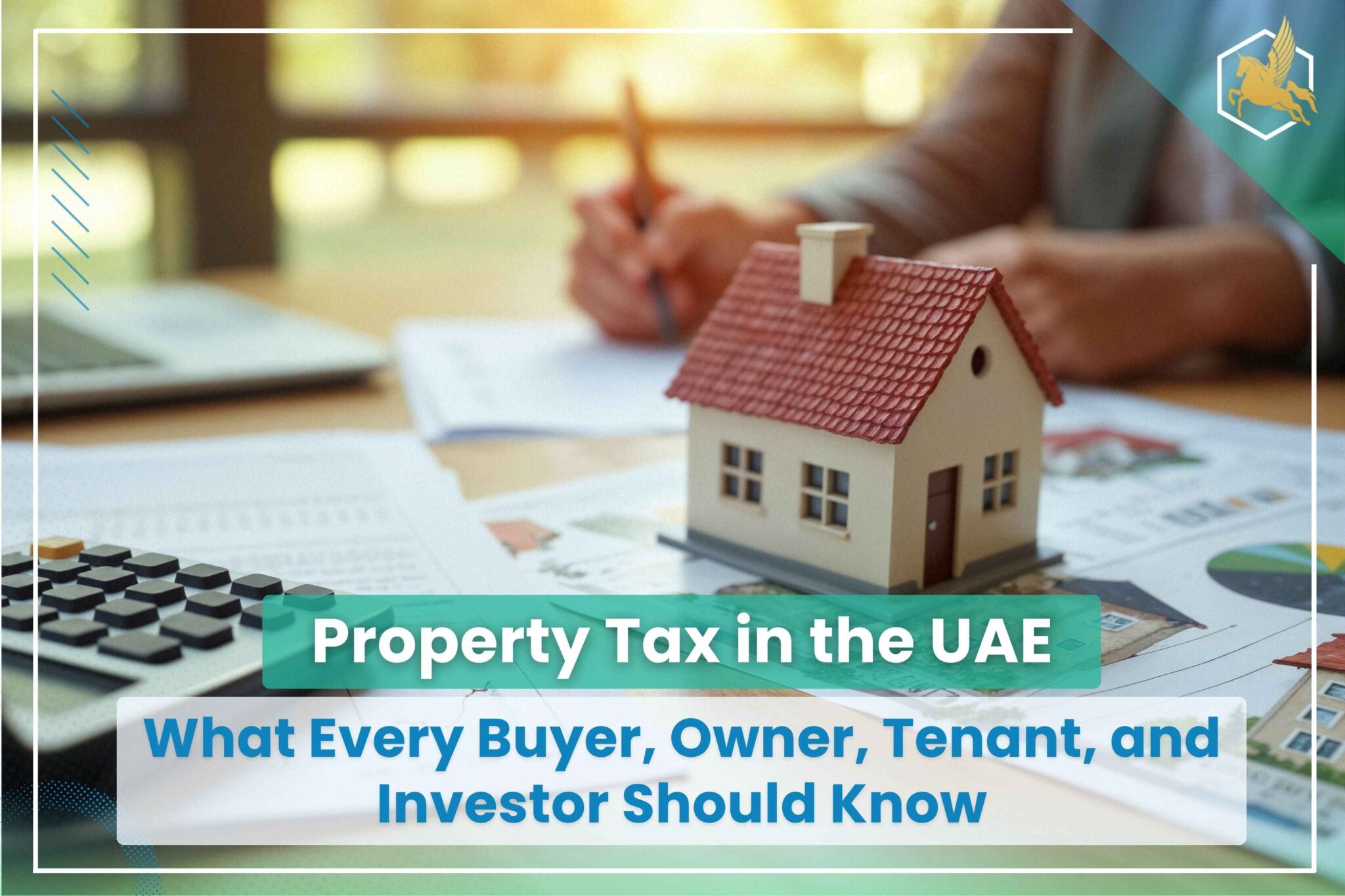
Understanding Property Tax in the UAE is essential for anyone planning to buy, sell, or invest in real estate. The UAE, especially Dubai, is known for its investor-friendly environment, offering minimal taxation compared to many other global property markets. However, while there is no traditional annual tax, there are still important fees and charges that buyers must consider.
This guide explains everything you need to know about Property Tax in the UAE, covering costs, rules, and key insights for both residential and commercial property owners.
What is Property Tax in the UAE?
This guide explains everything you need to know about Property Tax in the UAE, covering costs, rules, and key insights for both residential and commercial property owners.
Instead of yearly taxes, the UAE government applies:
- One-time transaction fees
- Registration costs
- Municipal charges
- Service and maintenance fees
Do You Pay Property Tax in Dubai?
When discussing Property Tax in the UAE, Dubai stands out because it does not impose annual property tax. This means homeowners and investors are not required to pay recurring taxes simply for owning property.
However, there are several upfront and ongoing costs to keep in mind.
Costs for Property Buyers
Fee Type | Rate | Description |
DLD Transfer Fee | 4% of property value | Paid during property purchase |
Title Deed Registration | AED 2,000 – AED 4,000 + VAT | Based on property value |
Mortgage Registration Fee | 0.25% of loan + AED 290 | Applicable for financed properties |
Agent Commission | 2% – 4% + VAT | Paid to brokers |
NOC Fee | AED 500 – AED 5,000 | Required when selling property |
These fees form the core structure of Property Tax in the UAE, even though they are not classified as traditional taxes.
Ongoing Charges Instead of Property Tax
Although Property Tax in the UAE does not include annual taxes, property owners and tenants still pay recurring charges.
1. Municipality Housing Fee
- Calculated at 5% of annual rental value
- Paid through utility bills (DEWA)
- Usually paid by tenants
- Owners pay if the property is vacant
2. Service and Maintenance Charges
- Paid by property owners
- Calculated per square foot
- Covers:
- Security
- Cleaning
- Landscaping
- Elevator maintenance
- Shared utilities
3. Utility Connection Charges
- One-time setup fees for electricity and water
- Required during handover or new connections
These charges are often mistaken as Property Tax in the UAE, but they are service-based fees.
Taxes on Commercial Properties
Commercial real estate follows different rules under Property Tax in the UAE.
VAT on Commercial Real Estate
- A 5% VAT applies to:
- Commercial property sales
- Leasing transactions
- Real estate services (brokerage, consultancy)
- Residential properties are generally VAT-exempt
Corporate Tax on Rental Income
- Businesses earning rental income above AED 375,000 may pay 9% corporate tax
- Applies only to companies, not individuals
- Individual property owners are not taxed on rental income
Why UAE Real Estate is Attractive for Investors
The structure of Property Tax in the UAE makes it one of the most appealing property markets globally.
Key Benefits
- No annual property tax
- No capital gains tax
- No personal income tax on rent
- High rental yields (typically 6–8%)
- Strong demand from international buyers
Global Comparison
Country | Annual Property Tax |
UAE | None |
USA | 1% – 2% of property value |
UK | Council tax |
Canada | Municipal property tax |
This comparison highlights how favorable Property Tax in the UAE is compared to other countries.
Important Rules for Property Buyers
Understanding regulations is just as important as knowing the costs.
Ownership Rules
- Foreigners can buy property in designated freehold areas
- Full ownership rights are granted in these zones
Regulatory Authorities
- Dubai Land Department (DLD)
- Real Estate Regulatory Agency (RERA)
These bodies ensure transparency and protect investor interests.
Common Misconceptions About Property Tax
Many people misunderstand how Property Tax in the UAE works.
Myth vs Reality
- Myth: UAE has no property-related costs
- Reality: There are transaction and service fees
- Myth: Rental income is taxed
- Reality: Individuals do not pay income tax
- Myth: Foreigners pay higher taxes
- Reality: Tax rules are the same for all nationalities
Conclusion
The concept of Property Tax in the UAE is unique and highly beneficial for investors. With no annual property tax, no capital gains tax, and minimal income taxation, the UAE offers one of the most cost-efficient real estate environments in the world.
However, buyers must still account for transaction fees, service charges, and municipal costs. By understanding these elements, investors can make informed decisions and fully benefit from the opportunities available in the UAE real estate market.
Unicorn Global Solutions L.L.C is here to help! Text us on whatsApp or call us today .
Frequently Asked Questions (FAQs)
No, there is no annual property tax. Only fees like registration, municipality charges, and maintenance costs apply under Property Tax in the UAE.
Individuals are not taxed on rental income. Companies may be subject to corporate tax if income exceeds the threshold.
There is no capital gains tax. Sellers mainly pay transfer fees and administrative charges.
No, foreigners follow the same system of Property Tax in the UAE as residents, with no additional taxes.
VAT applies mainly to commercial properties. Residential properties are generally exempt.
NOTE:
The above note is subject to further study and clarification. It does not constitute a formal opinion from our end. Before making any decisions based on the above, we recommend consulting our experts on the subject.