Major Tax Changes & New Compliance Requirements Explained
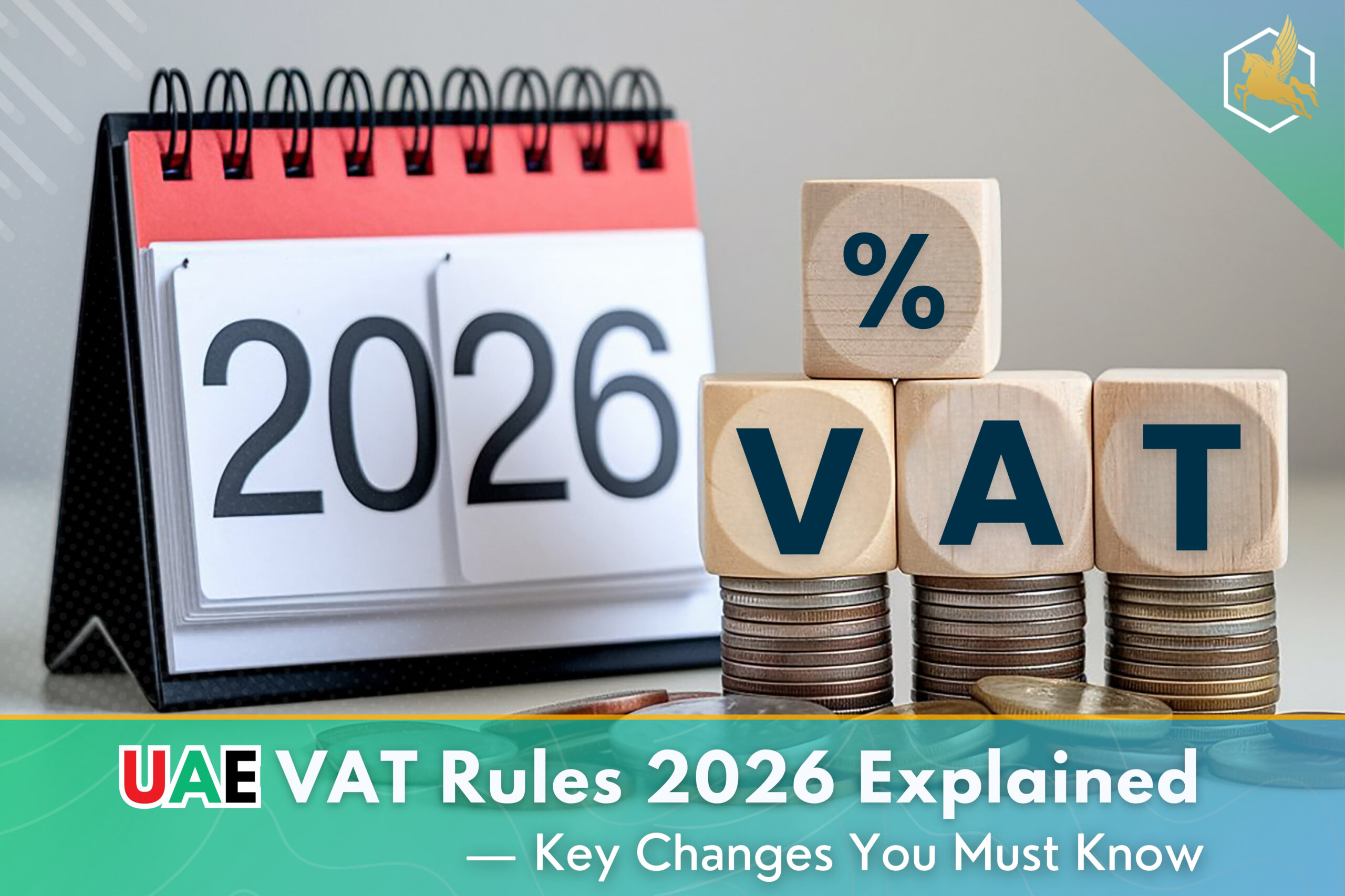
Below is a full breakdown of the major VAT reforms UAE 2026 and the new obligations businesses must prepare for.
Easier VAT Filing: End of Self-Invoicing Under Reverse Charge
One of the biggest updates under the UAE VAT Rules 2026 is the elimination of self-invoicing for reverse-charge transactions. Starting January 2026:
- Businesses no longer need to issue self-invoices for reverse-charge VAT.
- Only standard documentation must be kept, including:
- Supplier invoices
- Contracts
- Import documents
- Transaction records
New Five-Year Time Limit for VAT Refunds & Credit Usage
The UAE VAT changes 2026 introduce a unified five-year limitation period for:
- Filing VAT refund requests
- Using VAT credit balances
- Offsetting VAT credits against other UAE taxes
Tax Deductions & Anti-Evasion
To strengthen tax enforcement, the FTA will gain enhanced powers under the VAT reforms UAE 2026, including the ability to:
- Reject input-tax deductions linked to fraudulent or artificial transactions
- Intensify supplier compliance checks
- Verify supply-chain documentation more rigorously
Broader Tax Procedure Reforms Under Federal Decree-Law No. 17 of 2025
The UAE VAT Rules 2026 form part of a wider update to the UAE’s federal tax landscape.
1. Unified Five-Year Limitation Period Across All Taxes
A standard five-year deadline will apply to:
- VAT
- Corporate Tax
- Excise Tax
This provides consistency and long-term planning certainty under the UAE tax updates 2026.
2. Extended Audit Rights for Late Claims
If a refund claim is filed in the final year of the limitation period, the FTA may still:
- Conduct audits
- Issue tax assessments
- Review supporting documents even after the five-year period expires
3. Binding Tax Directions by the FTA
The FTA will be authorized to issue legally binding tax directions, ensuring uniform interpretation of tax rules and reducing disputes.
Transitional Relief Beginning January 2026
To support businesses during the transition to the UAE VAT Rules 2026, the government will grant temporary relief:
- A one-year grace period for claims that expired before 2026 or would expire within one year after the rule change
- Up to two years to file voluntary disclosures, provided no FTA decision has been issued
What Businesses Should Do Now
To prepare for full UAE VAT compliance 2026, companies should:
- Review and utilize pending VAT credit balances before expiry
- Strengthen documentation and supplier verification procedures
- Update ERP, accounting, and audit systems
- Train finance teams on the new VAT reforms UAE 2026
- Prepare for increased scrutiny and possible audits
Need Help?
Understanding UAE VAT Rules 2026 doesn’t have to be confusing. At Unicorn Global Solutions, we simplify the process for you. We are here to help! Text us on whatsApp or call us today .
Frequently Asked Questions (FAQs)
The UAE VAT Rules 2026 remove self-invoicing for reverse charge, introduce a unified five-year limitation period, strengthen FTA audit powers, and tighten input-tax deduction regulations.
No. From 2026 onwards, companies will not need to generate self-invoices. They only need to maintain standard supporting documents.
Any claim or credit older than five years will automatically expire. Businesses must use or claim them within the new five-year window.
Yes. The FTA can audit or issue assessments even after the limitation period if the claim was filed in its final year.
Yes. Claims that expired before 2026—or those due to expire within one year after implementation—will receive a one-year grace period from 1 January 2026.
NOTE:
The above note is subject to further study and clarification. It does not constitute a formal opinion from our end. Before making any decisions based on the above, we recommend consulting our experts on the subject.