Summary:-
CARF compliance for UAE crypto traders means all crypto transactions and profits must now be reported to authorities, making the system more transparent and regulated. Traders need to track every transaction, maintain proper records, and follow reporting rules to avoid penalties. By adapting early to CARF compliance for UAE crypto traders, you can stay safe, compliant, and build a secure long-term crypto journey.
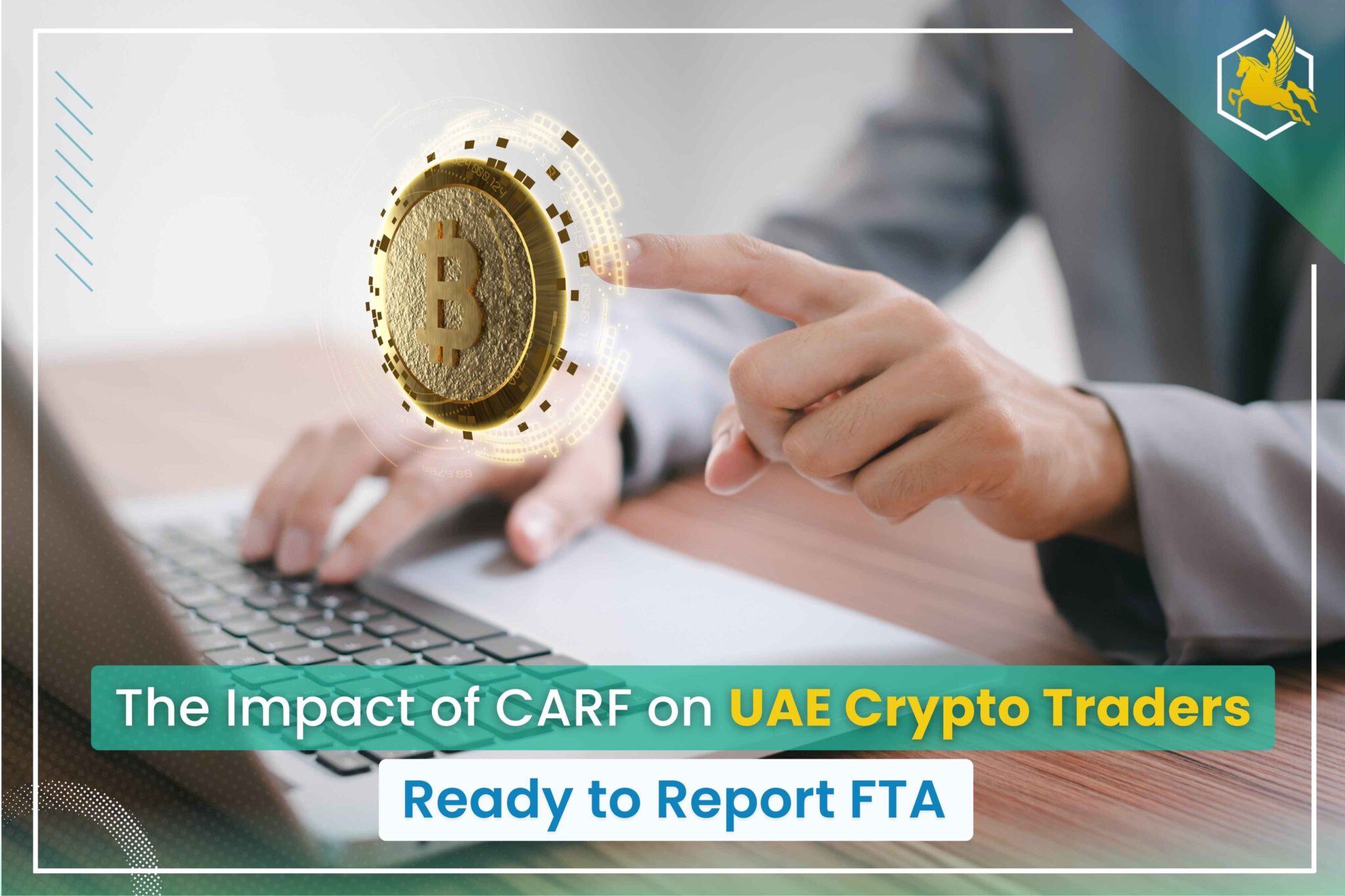
The cryptocurrency landscape is evolving rapidly especially in the UAE. If you buy, sell, or invest in digital assets, there’s a major update you can’t ignore: CARF compliance for UAE crypto traders is becoming essential.
Many people once believed crypto transactions were private and loosely regulated. But that’s changing fast. The UAE is aligning with global standards to increase financial transparency and that’s where CARF comes in.
In this beginner-friendly guide, you’ll learn everything you need to know about CARF, even if you’re completely new to crypto regulations.
What Is CARF?
CARF stands for Common Reporting Framework. It’s a global system designed to track and report cryptocurrency transactions across countries.
In simple terms:
If you earn money through crypto, you must report it to authorities.
Under CARF compliance in the UAE, your crypto activities like trading, investing, and profits, may be reported to the Federal Tax Authority (FTA)
Why Is the UAE Introducing CARF?
The UAE is a global financial hub. To maintain its reputation, it is adopting international reporting standards.
Before CARF in UAE Crypto Market:
- Limited crypto reporting
- Minimal oversight
- Traders operated with more privacy
After CARF Implementation:
- All transactions must be recorded
- Crypto income must be reported
- Authorities can verify financial activity
This shift makes UAE crypto reporting regulations more structured and transparent.
What Will Change for Crypto Traders?
Let’s look at a simple example.
Example:
Ravi, a trader in Dubai:
- Buys Bitcoin for AED 10,000
- Sells it for AED 15,000
- Profit = AED 5,000
Before:
Ravi might not report this profit.
Now (Under CARF):
Ravi must declare this AED 5,000 to the FTA.
This is how crypto tax reporting in the UAE will work under CARF.
Responsibilities Under CARF
If you're trading crypto in the UAE, here’s what you need to do:
1. Report Your Crypto Holdings
You must declare:
- Total crypto assets
- Types of digital currencies
2. Report All Income
Includes:
- Trading profits
- Investment gains
- Any crypto earnings
3. Maintain Accurate Records
Keep track of:
- Transaction dates
- Buy/sell values
- Exchange/platform details
Proper documentation is crucial for CARF compliance for crypto traders.
What About Privacy?
Crypto gained popularity due to anonymity. However, CARF changes that.
With CARF:
- Transactions may be shared with authorities
- Financial transparency increases
But don’t worry—UAE data protection laws ensure your information remains secure.
Still, reduced anonymity is part of CARF compliance.
Risks of Not Following CARF
Possible penalties:
- Heavy fines
- Legal action
- Business restrictions
Example:
If a trader hides crypto income and gets audited, penalties may exceed the actual tax owed.
That’s why understanding UAE crypto tax compliance is critical.
Step-by-Step Guide to Prepare for CARF Compliance UAE Crypto Traders
Getting started is easier than you think:
Step 1: Register with FTA
Sign up with the Federal Tax Authority.
Step 2: Track Every Transaction
Use:
- Crypto apps
- Excel sheets
- Portfolio trackers
Step 3: Review Past Trades
Organize historical transaction data.
Step 4: Consult Experts
Tax professionals can help you stay compliant.
Early preparation makes CARF compliance in the UAE much smoother.
How CARF Impacts Your Crypto Trading Strategy
CARF isn’t just about reporting it changes how you trade.
Before:
- Quick trades
- Minimal tracking
Now:
- Every trade must be documented
- Strategic planning is essential
Frequent trading may require more detailed reporting under UAE crypto regulations.
Global Impact of CARF on Crypto Traders
CARF is a worldwide initiative—not just limited to the UAE.
This means:
- Countries share financial data
- Cross-border crypto activity is tracked
- Tax evasion becomes harder
This strengthens global crypto transparency and accountability.
Benefits of CARF Compliance for UAE Crypto Traders
While it may seem strict, CARF has long-term benefits:
- Builds trust in crypto markets
- Attracts serious investors
- Protects compliant traders
Following CARF rules in the UAE helps create a safer financial ecosystem.
Final Thoughts
CARF represents a major shift for crypto traders in the UAE. It transforms crypto from an informal system into a regulated and transparent industry.
To stay ahead:
- Understand your transactions
- Keep proper records
- Follow reporting rules
The sooner you adapt to CARF compliance for UAE crypto traders, the more secure your crypto journey will be.
Unicorn Global Solutions L.L.C is here to help! Text us on whatsApp or call us today .
Frequently Asked Questions (FAQs)
The cost of a freezone business setup Dubai typically ranges between AED 15,000 to AED 50,000, depending on the free zone, business activity, office space, and visa requirements. Additional costs may include licensing, visas, and administrative fees.
The “3000 dirham rule” usually refers to the minimum monthly salary requirement (AED 3,000) needed to sponsor family members under UAE visa regulations. This may vary based on current immigration policies and should be verified with authorities.
To start business in Dubai freezone, you need to choose a free zone, select your business activity, reserve a company name, submit documents, obtain a license, lease office space, and apply for visas. The process is quick and typically takes 1–3 weeks.
While a freezone business setup Dubai offers many benefits, there are some limitations:
- Restricted to operating within the free zone or internationally
- Cannot directly trade in the UAE mainland without a local distributor
- Limited office expansion options in some zones
Yes, one of the biggest advantages of a freezone business setup Dubai is that it allows 100% foreign ownership without requiring a local sponsor, giving full control to the investor.
The timeline for a freezone business setup Dubai is generally 7 to 14 days, depending on document approval, license type, and visa processing requirements.
NOTE:
The above note is subject to further study and clarification. It does not constitute a formal opinion from our end. Before making any decisions based on the above, we recommend consulting our experts on the subject.